Introduction
In the rapidly evolving digital landscape, new terms and concepts continue to emerge, reshaping how individuals interact, create, and engage online. One such term gaining attention is While it may initially appear unfamiliar, fansqingers represents a growing trend that combines elements of fandom, creativity, and digital influence. As audiences become more participatory and creators seek deeper connections with their followers, the concept of fansqingers is becoming increasingly relevant.
This article explores fansqingers in depth, offering a detailed understanding of what it means, how it functions, and why it matters. By examining its origins, characteristics, applications, and future potential, readers will gain valuable insights into how is shaping modern digital culture. Whether you are a content creator, marketer, or simply curious about emerging trends, this guide provides a comprehensive overview designed to inform and inspire.
What Are Fansqingers
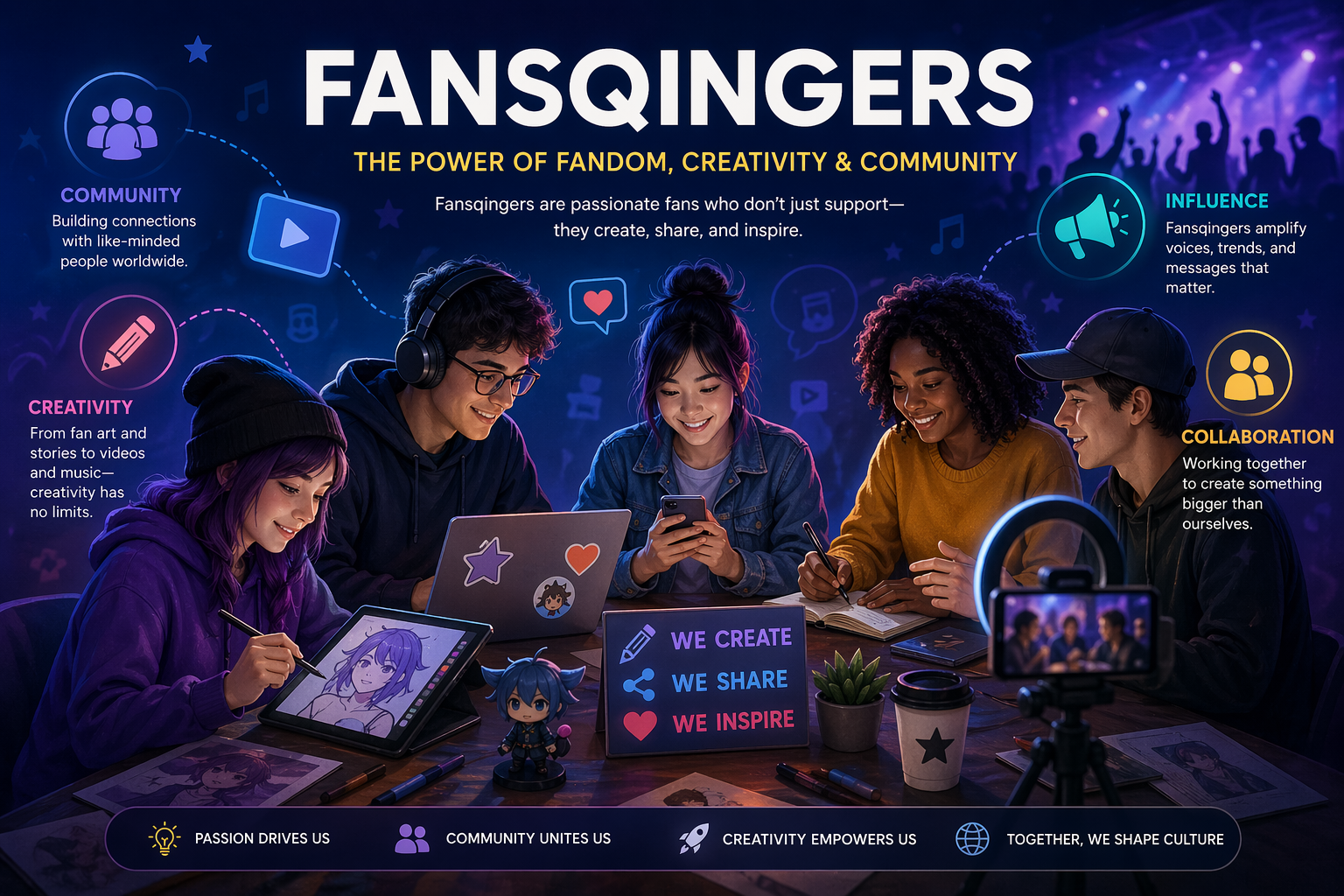
The term fansqingers can be understood as a hybrid concept that blends fandom engagement with creative expression and digital interaction. At its core, refers to individuals who actively participate in fan communities while also contributing original content, ideas, or interpretations. Unlike passive followers, are deeply involved in shaping the narrative around their interests.
Fansqingers are not limited to a specific platform or medium. They can be found across social media, video platforms, forums, and creative communities. What distinguishes them is their ability to merge admiration with innovation. They do not merely consume content; they reinterpret it, remix it, and share it in ways that resonate with wider audiences.
This concept reflects a shift in how audiences engage with content. Traditional boundaries between creators and consumers are becoming blurred, and exist at this intersection, acting as both supporters and contributors.
The Evolution of Fansqingers
To fully understand fansqingers, it is important to examine its evolution. The roots of this concept can be traced back to early fan communities, where individuals gathered to discuss books, movies, and other forms of media. These communities often encouraged creative expression, such as fan fiction, artwork, and collaborative storytelling.
As the internet expanded, these communities migrated online, becoming more accessible and interconnected. Social media platforms further accelerated this evolution by providing tools for sharing and collaboration. Over time, fans began to take on more active roles, influencing trends, shaping discussions, and even impacting the direction of content.
The emergence of represents the culmination of this evolution. It highlights a new era where fans are not just participants but integral contributors to the cultural ecosystem. Their influence extends beyond niche communities, often reaching mainstream audiences.
Key Characteristics of Fansqingers
Fansqingers exhibit several defining characteristics that set them apart from traditional fans. One of the most notable traits is their creativity. They are constantly producing content that reflects their interests, whether through writing, visuals, or multimedia formats. This creativity is often fueled by a deep passion for the subject matter.
Another important characteristic is engagement. actively interact with other members of their community, fostering discussions and collaborations. They value connection and often play a role in building and sustaining communities.
Adaptability is also a key trait. are quick to embrace new platforms, tools, and trends. This adaptability allows them to remain relevant in a constantly changing digital environment.
Finally, fansqingers possess a strong sense of identity. Their contributions often reflect their personal perspectives, making their content unique and authentic. This authenticity is a major factor in their ability to connect with others.
The Role of Fansqingers in Digital Culture
Fansqingers play a significant role in shaping digital culture. Their contributions influence how content is perceived, shared, and evolved. By creating and distributing their own interpretations, they add layers of meaning to existing content.
One of the most important roles of fansqingers is community building. They help create spaces where like-minded individuals can connect and share ideas. These communities often become hubs of creativity and innovation.
Fansqingers also contribute to the amplification of content. Their enthusiasm and creativity can help bring attention to specific topics, trends, or creators. This amplification can have a significant impact, sometimes leading to viral moments.
In addition, fansqingers serve as cultural intermediaries. They bridge the gap between creators and audiences, translating ideas and making them more accessible. This role is particularly important in diverse and global communities.
How Fansqingers Influence Content Creation
The influence of fansqingers on content creation cannot be overstated. Their feedback, interpretations, and contributions often shape the direction of creative projects. Many creators actively engage with to gain insights and inspiration.
Fansqingers can also drive innovation. Their willingness to experiment and explore new ideas often leads to the emergence of new formats and styles. This experimentation can influence mainstream content, pushing it in new directions.
Another important aspect is collaboration. often collaborate with each other and with creators, resulting in unique and dynamic content. These collaborations can lead to the development of new communities and creative movements.
Furthermore, fansqingers contribute to the longevity of content. By continuously creating and sharing related material, they keep interest alive and ensure that content remains relevant over time.
The Impact of Fansqingers on Marketing and Branding
In the world of marketing and branding, represent a valuable asset. Their ability to engage audiences and create authentic content makes them powerful advocates for brands and products.
One of the key benefits of engaging with fansqingers is authenticity. Unlike traditional advertising, content created by often feels genuine and relatable. This authenticity can enhance trust and credibility.
Fansqingers also provide valuable insights into audience preferences. By observing their behavior and contributions, brands can gain a deeper understanding of what resonates with their target audience.
In addition, can help drive engagement. Their enthusiasm and creativity can generate buzz and encourage interaction. This engagement can lead to increased visibility and reach.
However, it is important for brands to approach with respect and transparency. Building genuine relationships is essential for long-term success.
Challenges and Considerations
While fansqingers offer many benefits, there are also challenges to consider. One of the primary challenges is maintaining authenticity. As the concept becomes more popular, there is a risk of commercialization that could undermine its core values.
Another challenge is managing community dynamics. often operate within diverse communities, which can sometimes lead to conflicts or disagreements. Effective communication and moderation are essential to maintain a सकारात्मक environment.
Intellectual property is another important consideration. The creative contributions of fansqingers often involve existing content, raising questions about ownership and rights. Clear guidelines and mutual understanding are necessary to address these issues.
Finally, there is the challenge of sustainability. Maintaining high levels of creativity and engagement can be demanding. Providing support and recognizing contributions can help ensure that continue to thrive.
Strategies for Engaging with Fansqingers
For individuals and organizations looking to engage with , there are several effective strategies. One of the most important is fostering a supportive environment. Encouraging creativity and providing opportunities for collaboration can help build strong relationships.
Another strategy is active participation. Engaging with through comments, discussions, and collaborations can create a sense of connection and mutual respect.
Providing recognition is also crucial. Acknowledging the contributions of fansqingers can boost motivation and encourage continued engagement. This recognition can take many forms, from simple acknowledgments to more formal partnerships.
Transparency is equally important. Being open about intentions and expectations can help build trust and avoid misunderstandings.
Finally, it is important to remain adaptable. The world of is constantly evolving, and staying flexible can help ensure continued relevance and success.
The Future of Fansqingers
The future of fansqingers is full of potential. As technology continues to advance, new opportunities for creativity and engagement will emerge. Virtual reality, augmented reality, and other immersive technologies could further enhance the role of fansqingers.
The increasing importance of community-driven content is also likely to contribute to the growth of fansqingers. As audiences seek more personalized and interactive experiences, the contributions of will become even more valuable.
In addition, the integration of fansqingers into professional and commercial contexts is expected to expand. More brands and organizations are recognizing the value of engaging with these communities, leading to new forms of collaboration.
However, the future of fansqingers will also depend on maintaining the balance between creativity and commercialization. Preserving the authenticity and passion that define will be essential for long-term success.
Conclusion
Fansqingers represents a dynamic and evolving concept that reflects the changing nature of digital engagement. By combining fandom, creativity, and active participation, are redefining the relationship between creators and audiences.
Their influence extends across multiple domains, from content creation and community building to marketing and cultural development. As digital platforms continue to evolve, the role of is likely to become even more significant.
Understanding provides valuable insights into the future of digital culture. By embracing this concept and engaging with it thoughtfully, individuals and organizations can unlock new opportunities for creativity, connection, and growth.
Ultimately, is more than just a trend. It is a reflection of a broader shift toward a more participatory and collaborative digital world, where everyone has the potential to contribute, create, and inspire.