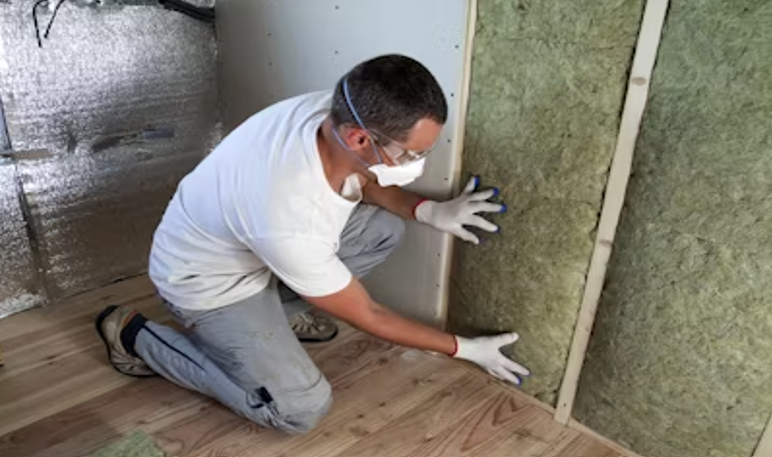
When winter settles across Canada, the chill can be relentless. To stay comfortable and reduce energy costs, homeowners rely on high-quality insulation that keeps warm air inside and cold air out. Choosing the right material is essential for ensuring energy efficiency, comfort, and long-term savings. Whether you are upgrading your Ottawa insulation or insulating a new home, understanding which materials perform best in freezing temperatures is the key to a cozy, efficient space.
1. Spray foam insulation: Excellent air sealing and high R-value
Spray foam is one of the most effective insulation materials for cold climates. It expands upon application, filling gaps, cracks, and cavities to create a tight air seal. This property makes it perfect for preventing drafts and moisture infiltration during harsh Canadian winters. With its high R-value per inch, spray foam provides superior thermal resistance compared to traditional materials. For homeowners seeking long-term performance and energy efficiency, Ottawa insulation specialists often recommend spray foam for basements, attics, and crawl spaces.
2. Fiberglass insulation: Affordable and reliable
Fiberglass remains a popular insulation option due to its cost-effectiveness and dependable performance. It is made from fine glass fibers and comes in batts, rolls, or loose-fill form. When properly installed, fiberglass helps retain heat and minimize energy loss. It works best in areas with consistent temperatures and limited exposure to moisture. Adding extra layers of attic insulation made from fiberglass can significantly improve your home’s ability to retain heat during the coldest months.
3. Cellulose insulation: Eco-friendly and efficient
Cellulose insulation is an environmentally friendly option made from recycled paper treated with fire-retardant materials. It provides excellent coverage when blown into walls and attics, forming a dense barrier that reduces air leakage. Its ability to trap heat effectively makes it ideal for cold regions. Many Canadian homeowners prefer cellulose for its sustainability and high performance, especially in older homes requiring energy upgrades. For comprehensive attic insulation, cellulose can be one of the most cost-effective and sustainable solutions.
4. Rigid foam boards: Strong thermal barrier
Rigid foam insulation boards, such as polyisocyanurate (PIR), extruded polystyrene (XPS), and expanded polystyrene (EPS), offer high compressive strength and consistent thermal resistance. They are often used on basement walls, foundations, and exterior sheathing. These boards provide continuous insulation, eliminating cold spots and bridging gaps in framing. When installed correctly, rigid foam enhances the energy efficiency of your entire building envelope, contributing to lower heating costs throughout the winter.
5. Mineral wool insulation: Fire-resistant and soundproof
Mineral wool, also known as rock wool, is another strong contender for Canadian winters. It is made from volcanic rock or industrial slag, offering natural fire resistance and excellent soundproofing. With a high R-value and resistance to moisture, it helps maintain warmth and safety in residential and commercial buildings. Professionals specializing in Ottawa insulation often use mineral wool for walls and ceilings where both insulation and sound control are priorities.
Surviving cold Canadian winters means investing in the right insulation material for your home. Each type—spray foam, fiberglass, cellulose, rigid foam, and mineral wool—offers unique benefits suited to different areas and budgets. Consulting with an Ottawa insulation expert ensures you choose the most effective solution for your property. Upgrading your attic insulation and other key areas will not only enhance comfort but also cut energy costs, keeping your home warm, efficient, and ready to face the harshest winters.