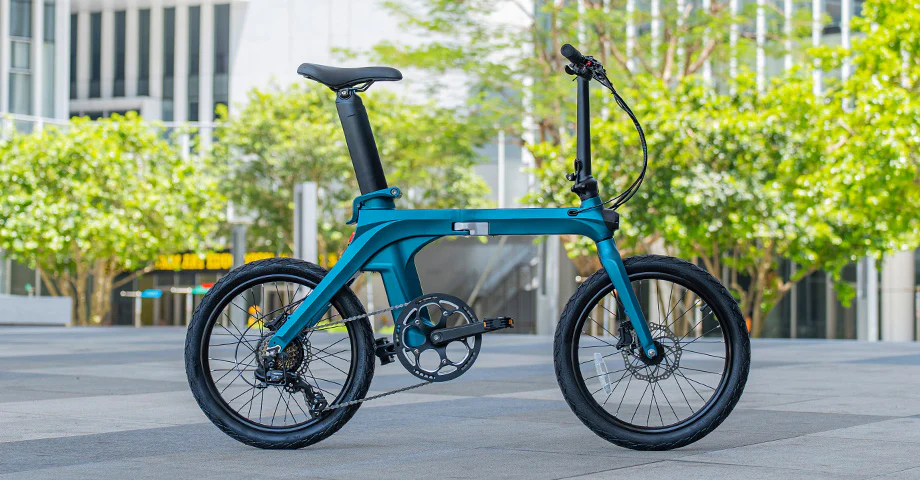
Buying your first e-bike is an exciting step into the world of sustainable transportation, active living, and convenient commuting. With so many models, features, and technologies on the market, the e-bike buying process can feel overwhelming. Whether you’re seeking a reliable daily commuter, a mountain trail companion, or a casual weekend ride, knowing what to look for will help you make the right choice.
Understand Your Riding Needs
Before starting the e-bike buying journey, consider how and where you’ll use your bike. If you plan to commute to work, a lightweight urban or hybrid e-bike with efficient tires may be ideal. For off-road enthusiasts, a mountain e-bike with suspension and wider tires offers better performance on rough terrain. If leisure rides or fitness are your goal, a comfort or cruiser e-bike might be the right match. Clarifying your riding style ensures you won’t overspend on features you don’t need.
Motor Placement and Power
E-bikes generally come with either hub-drive motors (mounted in the wheel hub) or mid-drive motors (located near the pedals). Hub-drive motors are usually more affordable and easier to maintain, making them great for beginners. Mid-drive motors, on the other hand, offer better balance, efficiency, and hill-climbing ability, though they can be more expensive.
Motor power is another critical factor. Most entry-level e-bikes have motors ranging from 250 to 500 watts, which is sufficient for city riding and moderate hills. If you live in a hilly area or want more torque, consider a higher wattage option.
Battery Capacity and Range
Battery life determines how far your e-bike can travel on a single charge. Typical batteries range between 300Wh and 700Wh. A larger battery means longer range but also adds weight and cost. For commuting, a 30–50 mile range is usually enough, while long-distance riders or adventurers may want to invest in higher capacity.
It’s also worth checking how easy it is to remove and charge the battery. Removable batteries offer convenience if you live in an apartment or need to charge at work.
Frame and Comfort Features
Comfort plays a big role in your riding experience. When e-bike buying, pay attention to frame design and size. Step-through frames make it easy to mount and dismount, ideal for casual riders and urban commuters. Step-over frames, common in mountain and road e-bikes, provide more rigidity and durability.
Other comfort factors include saddle quality, handlebar style, and suspension. A suspension fork or seat post can smooth out rough roads, while upright handlebars promote relaxed riding posture. Test rides can help you decide what feels best for your body type and riding habits.
Brakes, Gears, and Safety
Braking systems are crucial for safety. Many e-bikes use either mechanical or hydraulic disc brakes. While mechanical brakes are reliable and budget-friendly, hydraulic brakes deliver stronger, smoother stopping power with less hand effort—an important advantage when traveling at higher e-bike speeds.
Gearing is another consideration. Multi-speed drivetrains offer flexibility for tackling hills, while single-speed options provide simplicity and low maintenance. For urban use, integrated lights, fenders, and reflective elements enhance safety and convenience.
Budget and Long-Term Value
The price range for e-bikes is broad. Entry-level models may start around $1,000, while high-end performance bikes can exceed $5,000. During the e-bike buying process, balance your budget with features you truly need. It’s also wise to factor in long-term costs such as battery replacement, servicing, and accessories like helmets, locks, and racks.
While a cheaper e-bike may seem appealing upfront, investing in a quality model from a reputable brand often provides better durability, warranty coverage, and riding experience.
Test Ride Before You Decide
Nothing compares to experiencing an e-bike firsthand. If possible, visit a local shop and test ride different models. Pay attention to how the bike handles, accelerates, climbs hills, and feels in terms of comfort. This step helps you confirm whether the specifications meet your real-world needs.
Final Thoughts
Choosing your first e-bike is about finding the right balance of features, comfort, and budget. By focusing on motor type, battery capacity, frame design, safety features, and your specific riding goals, the e-bike buying process becomes much clearer. With the right choice, you’ll enjoy a ride that not only saves time and money but also promotes a healthier, more eco-friendly lifestyle.