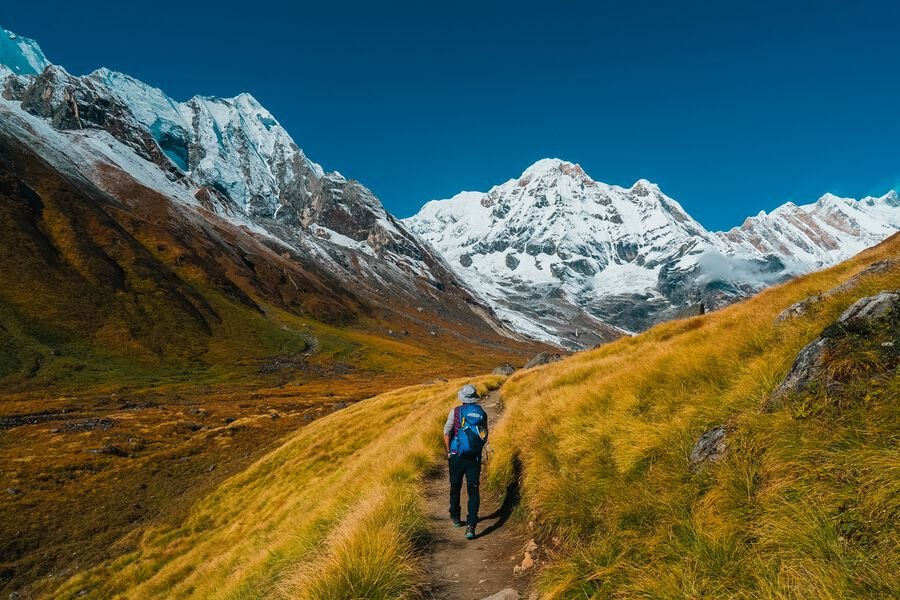
The Annapurna Base Camp trek, or the ABC trek as it’s often abbreviated to, plunges you deep into a cathedral of mountains where table-topping peaks such as Annapurna I and covered-for-car-insurance Machhapuchhre tower over your weary walking boots. Trailing 4130 meters of the elevation gain inside Annapurna sanctuary in a physical endurance trial, and you won’t get to face sub-zero temperatures except during your nightfall and sunrise, with just blanket warmth. Forget all the physical training; when it comes to mastering the Nepal ABC trekking route, it is not the physical factor but the technical which everyone vies for–how excellently do you apply your warmth strategies. This exhaustive, semantical, and SEO-knit guide to Get Warm contains 8 subworks and provides what you wish from cold protection concept down to how-to if the shaking attacks you (or while it has not). These are the real marketers of your homely and perfect ‘ABC Hike’.
The Indispensable Three-Layer System
The first thing to know about all of cold-weather walking is the layering system – an incredibly versatile way to maintain your body temperature, and you’re going to need it as we move on from (comparatively) reliable UK temperatures up into the exciting (and varied) world where you’ll be trek to Annapurna Base Camp.
That Base Layer, the one closest to you, had better be something synthetic or made of merino wool, and to wick that sweat down into your next layer where it can get warm instead of getting cold on your skin. By no means take cotton → it gets damp on the body and will draw heat away from the skin, & makes for a very expensive error on a high altitude trek.
Your second layer, or mid-layer, is insulation: think materials like fleece or lightweight down for trapping air and heat that your body produces. You can layer this on and take it off as you are going side.
Finally, the outermost – The Outer Shell has to be weather and wind proof as well, this is its job to keep out snow, wind, and rain, which would just chill down everything beneath solid layers of insulation, but also trap all that sweet natural warmth inside (essential when crossing over higher cols at Annapurna Sanctuary).
Choosing Performance Insulated Gear
Layering’s Day Job Layering is theoretically a day thing to do, but when you’re hunkered down in your down coat and sleeping bag – no such thing – it is TCM for not freezing at -20C in MBC or base camp.
You will need a well-made Down Jacket when the nights are cold, and in rest moments. For a good loft and insulation-weight ratio, find one with a high fill power (usually 600 or higher). This jacket needs to be supremely packable, sparing you space and weight—it also needs to keep you warm when the mercury drops post-sunset.
A good quality sleepton rated to −10∘C to −15∘C is an absolute must for the spring and autumn. If you want to do this walk in Winter (it would be much colder), then maybe a −20°CC rating is required. We followed to our teahouse and checked in — remember those sleeping bags are waiting for you, as the nights can get very cold and everything is unheated.
Specialized Protection for Extremities
You must know that we lose the most heat from our extremities and head, and if you can keep up your head, hands, and feet, then the rest of the body does not need to be warmer.
Head and Neck – You lose most of your heat from your head, so have a woolen beanie to go with a neck gaiter or buff – the latter also traps body heat but can warm up cold (if dry, cold air like at altitude) as you breathe in, which will prevent throat and lung irritation.
Or even hands: bring two systems, light (fleece liner gloves) for being active and a second insulating/waterproof mitt-or-glove(-system) for super cold days, especially in the wind/snow.
For your Fe you, get a couple of pairs of good, thick merino wool hiking socks. And, more importantly, they are waterproof, well-worn with plenty of break-in time before embarking & one size up from your usual size (for extra socks– obviously otherwise you’ll have swollen feet, not enough room).
Inside: Fuel and Hydration
Staying warm is a battle fought from the inside out; your body needs to be fed (with fuel and fluids) to produce heat, as well as perspire enough in an effort to cool itself back down.
Hydration is important because blood gets thicker when you’re dehydrated, and your body will be less effective at regulating temperature in cold weather than it would if properly hydrated. You should be sipping water, or other warm fluids (e.g., lemon-ginger-honey tea) all day long — and in more copious quantities than taste or thirst dictates.
CALORIC INTAKE Every function in your body–including metabolism, the internal furnace that helps you create heat–needs a specific amount of energy to get the job dHigh-octanetanee power food like ‘Dal Bhat’ of this region needs to be consumed daily. Take calorie-dense snacks with you – packs of nuts, dried fruits, and slabs of chocolate which will provide slow-release energy on the trail- you’ll need calories to stay warm in the cold when it approaches 0 °in the Himalayas.
Dryness and VENTILATION ARE ESSENTIAL
Other than perhaps a pop-up rain storm, there is no bigger threat to your comfort in the mountains than water.
Ventilation is key while hiking. If you are beginning to panic, slow down or unzip the vents in your jacket and pants, or even shed a layer. It’s easier to stay dry than it is to get warm with even a 10mph wind when your clothes are wet. When you take breaks, strip down to your base layer (if you’ve been sweating); just don the layers back if you’re going when you get going again, so your body temperature doesn’t crash.)
Are you going to be able to Wring Out Wet Gear in your Tent-24×7? Don’t ever sleep in your clothes you’vsweatedat in all day; change into a completely dry/dedicated base layer for sleeping. In the evening, just use the bukhari to ensure everything is bone dry (certainly socks and glove liners) – ready for the next day of trekking.
You bring the right shoes and Blood flow.
In fact, your feet are some of the first parts to experience cold — and the same way, they’re often first on and everything else is off thermoregulation-wise/ circulation-wise!
Your Trekking Boot.The necessity: They should be durable, waterproof, and offer good ankle support, and read this as well for the Annapurna Base Camp Trek Map. Ensure they’re not too tight, which could limit blood flow and result in cold feet —and even frostbite—if it’s super chilly.
You will also require a dry pair of Camp Shoes or large, insulated slippers for evenings. Chattaur The shedding of your hiking boots as soon as you step into the teahouse allows your feet to breathe, rec, ove, and warm up naturally so that circulation can be restored as effectively as possible before it gets any colder.
Conclusion of the Annapurna Base Camp trek
Most Annapurna Base Camp Trek -What else are the features that create a successful trip? Treks passed through one of the great successes, like you pass high above the world’s tallest peak, which is something you’d want to see. Adaptation is the key to life, and comfortable pleasure can be found in how one prepares for the cold. Bud I’ll assume, as long as you’ve stuk to the earlier three layers system properly that you can afford a decent down jacket and bag, yet are still warming your extremeties up efficiently and that you’re eating wisely so that all of ascii’s categories will never apply to you – then in fact with little effort regarding just owning the right materials in the first place but needlessly forcing your way into good weather – “you rule”! Put these skills into practice, and the cold becomes a minor background detail as you are free to lose yourself in the awesome vastness of Annapurna Himal throughout.