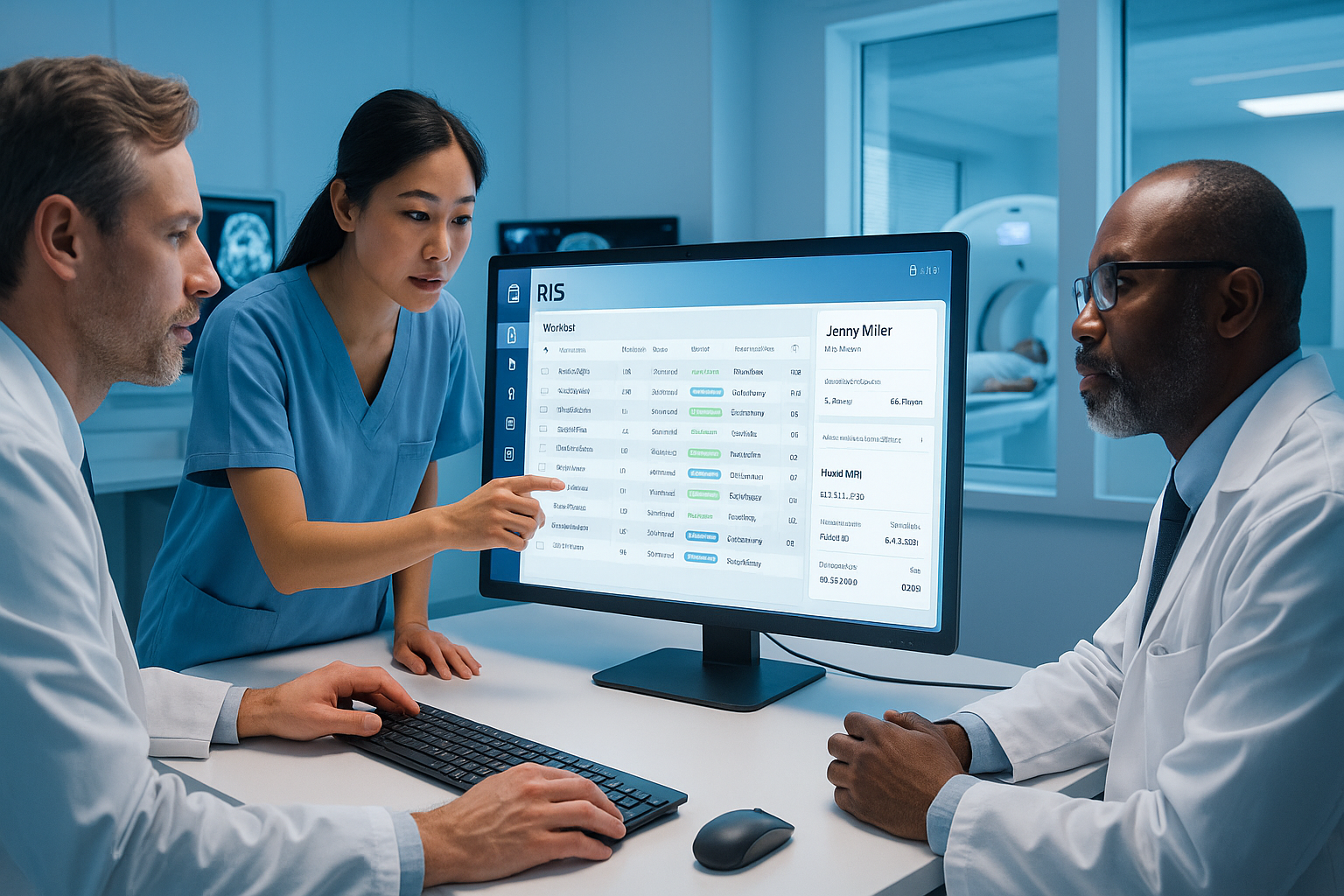
Radiology is one of the most data-driven areas of medicine. From scheduling appointments to generating detailed diagnostic reports, imaging departments rely on advanced technology to keep operations efficient and accurate. At the center of this workflow lies the RIS system—Radiology Information System—an essential tool that helps manage patient information, streamline processes, and improve communication across teams.
While imaging technology like CT scanners and MRIs often take the spotlight, RIS quietly powers the administrative and clinical backbone of radiology departments. Let’s explore what RIS is, why it matters, and how it continues to transform healthcare delivery.
What Is a RIS System?
A Radiology Information System (RIS) is a specialized software platform designed to manage the flow of information in radiology practices. It acts as the hub for patient scheduling, data tracking, image reporting, and integration with other healthcare systems.
Think of RIS as the control center that ensures every imaging order is properly recorded, processed, and tied back to the right patient and provider. Without it, departments risk inefficiencies, miscommunication, and costly errors.
Key Functions of a RIS System
- Scheduling and Registration
RIS simplifies booking appointments, assigning resources, and tracking availability, ensuring radiology staff and equipment are used effectively. - Patient Tracking
From the moment a patient checks in until results are delivered, RIS monitors their journey, minimizing confusion and bottlenecks. - Image and Report Management
RIS links diagnostic images with clinical reports, ensuring data is stored, organized, and easy to access.
- Integration with PACS and EHRs
RIS integrates with Picture Archiving and Communication Systems (PACS) and Electronic Health Records (EHRs), connecting imaging data with patient records. - Billing and Compliance
RIS captures procedure details and coding information to streamline billing while ensuring compliance with healthcare regulations like HIPAA.
Why a RIS System Matters
Radiology departments handle thousands of patients and images every year. Without RIS, managing this volume of data would be overwhelming.
- Efficiency – Streamlines workflows, reducing wait times and improving throughput.
- Accuracy – Minimizes errors by linking patient information directly to imaging results.
- Compliance – Supports regulatory requirements with audit trails and secure data handling.
- Communication – Facilitates better collaboration between radiologists, referring physicians, and administrative staff.
- Patient Satisfaction – Shorter wait times and faster results enhance the patient experience.
Benefits for Stakeholders
For Radiologists
Quick access to prior studies and reports improves diagnostic accuracy and decision-making.
For Administrators
Performance metrics and dashboards allow managers to track productivity, resource use, and financial outcomes.
For Patients
RIS reduces delays in scheduling, minimizes errors, and ensures results are communicated promptly.
RIS vs. PACS: Understanding the Difference
Although they are often mentioned together, RIS and PACS serve different purposes:
- RIS focuses on patient information, scheduling, and workflow management.
- PACS stores, retrieves, and distributes diagnostic images.
Together, RIS and PACS create a complete radiology ecosystem. When fully integrated, they enable seamless access to both patient data and imaging results from a single interface.
Challenges in Implementing a RIS System
While RIS provides enormous value, implementation comes with challenges:
- Cost – Setup and licensing fees can be significant.
- Training Needs – Staff must be trained to use the system effectively.
- Integration Complexity – Connecting RIS with existing hospital IT infrastructure can be difficult.
- Resistance to Change – Staff may hesitate to adopt new workflows.
Despite these hurdles, most organizations find the benefits far outweigh the initial challenges.
The Future of RIS in Healthcare
RIS continues to evolve as healthcare becomes more digital and patient-centered. Key trends include:
- Cloud-Based Solutions – Offering scalability, easier updates, and remote access.
- AI Integration – Assisting with workflow prioritization and early anomaly detection.
- Patient Portals – Allowing patients to access their imaging reports and results directly.
- Analytics and Reporting – Providing insights into operational efficiency and patient outcomes.
These innovations position RIS as more than just a workflow manager—it becomes a driver of strategic decision-making.
Case Example: RIS in Action
A large hospital radiology department faced delays in scheduling and report turnaround times. After implementing an advanced RIS integrated with PACS, they achieved:
- A 25% reduction in patient wait times
- Faster delivery of diagnostic reports to referring physicians
- Improved billing accuracy and reduced claim denials
- Increased staff satisfaction due to streamlined processes
This illustrates how RIS is not just about technology—it’s about transforming patient care and provider efficiency.
Conclusion
A RIS system is a cornerstone of modern radiology, ensuring that patient data, images, and workflows are seamlessly managed. By improving efficiency, accuracy, compliance, and communication, RIS enhances both provider performance and patient experience.
As healthcare becomes increasingly digital and patient-focused, RIS will continue to evolve, integrating with advanced technologies to further support better outcomes. For radiology departments, investing in RIS is not just about keeping up with technology—it’s about laying the foundation for excellence in patient care.
For a deeper dive into what a RIS system is and how it transforms radiology workflows, visit this comprehensive guide on RIS in healthcare