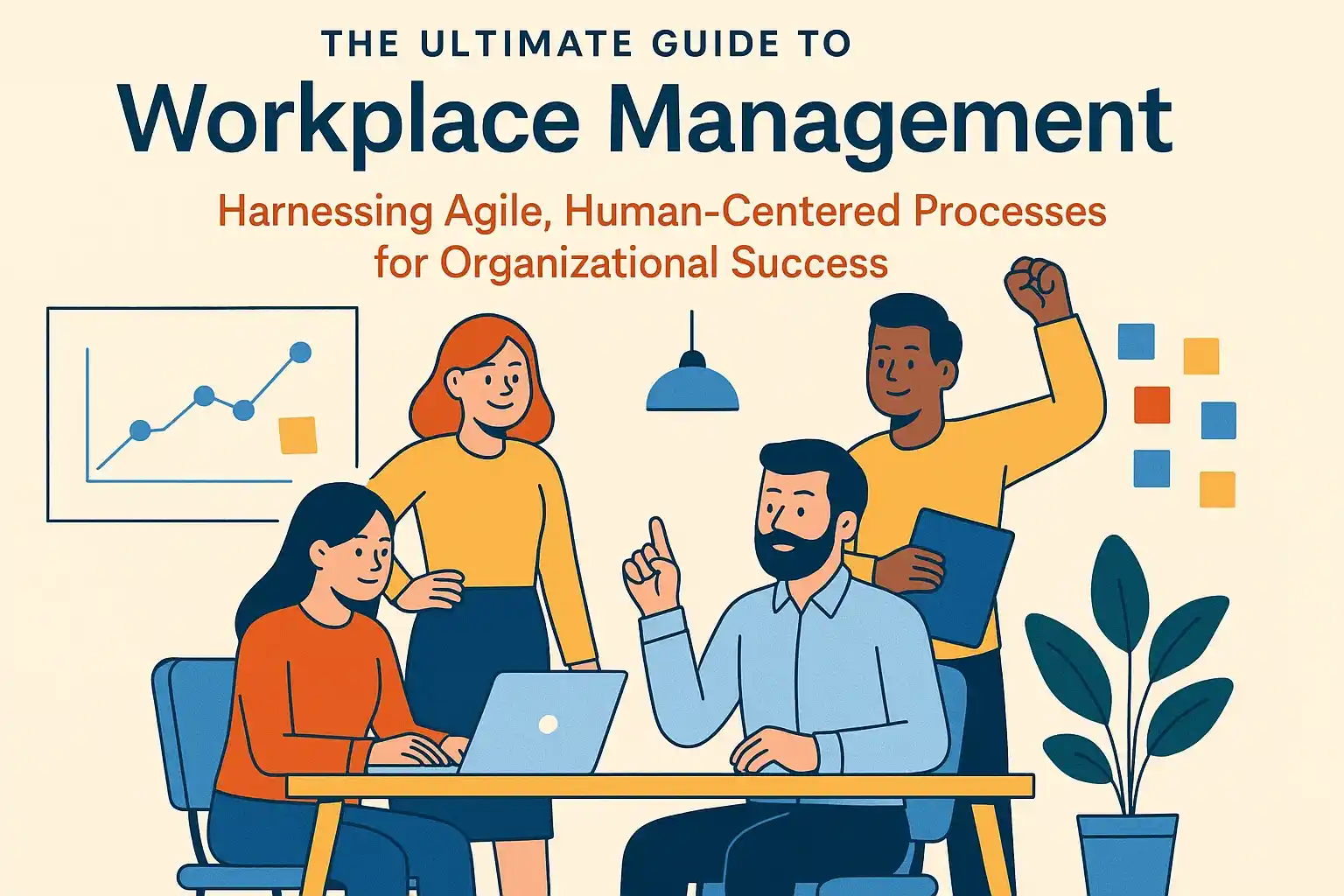
In the era of rapid digital transformation and evolving workforce dynamics, organizations face unprecedented challenges in orchestrating their people, processes, and technology. The need for a unified, adaptive, and human-centered framework has never been greater. Enter workplace management ewmagwork, a comprehensive approach that integrates Agile governance, streamlined workflows, emotional intelligence, and robust technology ecosystems. By uniting strategic objectives with day-to-day operations, workplace management ewmagwork empowers enterprises to boost productivity, enhance employee engagement, and continuously adapt to market shifts. This 3,000-plus word article explores the origins, core principles, implementation roadmap, technology integration, governance models, human-centered culture, conflict resolution strategies, metrics for success, and real-world case studies that illustrate the transformative power of workplace management ewmagwork.
The Evolution of Workplace Management
From Bureaucracy to Agility
At the dawn of the 20th century, organizational theorists like Max Weber championed bureaucratic models characterized by strict hierarchies, formalized procedures, and centralized decision-making. While effective for mass production, these rigid structures stifled innovation and slowed decision cycles. As knowledge work supplanted assembly lines, the limitations of bureaucratic management became apparent.
The late 20th century introduced Lean thinking and Six Sigma, emphasizing waste reduction, error control, and continuous improvement. These methodologies optimized discrete processes but often remained siloed within manufacturing or quality teams. With the rise of digital technologies and a globally distributed workforce, companies demanded frameworks that spanned every function, from marketing to product development.
Birth of Workplace Management EWMagWork
Against this backdrop, workplace management ewmagwork emerged as a holistic paradigm. Drawing on Agile software practices, Lean process optimization, Design Thinking’s user-centric lens, and modern governance principles, workplace management ewmagwork reframes work not as static tasks but as a dynamic, interconnected ecosystem. Under this approach, strategy, culture, technology, and governance coalesce into a continuous flow that accelerates value delivery and fosters adaptability.
Core Principles of Workplace Management EWMagWork
Enterprise-Wide Agile Integration
Traditional Agile methods focus on software teams; workplace management ewmagwork extends Agile across the enterprise. Key elements include:
-
Cross-Functional Empowerment: Small, autonomous teams with clear objectives make decisions without waiting for top-down approvals.
-
Iterative Delivery: Work is organized into short cycles (sprints or pulses), enabling rapid feedback, course corrections, and incremental value realization.
-
Outcome-Driven Governance: Success metrics prioritize customer satisfaction, time-to-market, and business outcomes over rigid adherence to schedules.
Workflow Optimization and Simplification
Inefficient, redundant workflows erode productivity and morale. workplace management ewmagwork combats this through:
-
End-to-End Process Mapping: Visualizing each step—from idea conception to delivery—to identify bottlenecks, handoff delays, and non-value-adding tasks.
-
Living Standard Operating Procedures (SOPs): Shifting from static manuals to collaborative, continuously updated documents that reflect real-time improvements.
-
Robotic Process Automation (RPA): Automating repetitive, rule-based tasks to free human capacity for strategic and creative work.
Human-Centered Design and Emotional Intelligence
Central to workplace management ewmagwork is the conviction that engaged, psychologically safe employees drive superior outcomes. This entails:
-
Psychological Safety: Cultivating an environment where team members can voice concerns, propose bold ideas, and learn from failure without fear of reprisal.
-
Emotional Intelligence (EI) Training: Equipping leaders and teams with skills to recognize and manage emotions, resolve conflicts empathetically, and build trust.
-
Continuous Feedback Loops: Embedding regular one-on-ones, pulse surveys, and 360° feedback mechanisms to surface issues early and support professional growth.
Data-Driven Decision Making
Data is the lifeblood of modern management. workplace management ewmagwork advocates:
-
Unified Data Lakes: Central repositories ingesting information from CRM, ERP, HRIS, and project management tools.
-
Real-Time Dashboards: Live analytics on throughput, cycle times, resource utilization, and employee sentiment to guide prioritization.
-
Predictive Insights: Machine learning models that forecast bottlenecks, attrition risks, and capacity constraints, enabling preemptive action.
Technology Integration & API Ecosystem
The Role of APIs in EWMagWork
A seamless technology stack underpins workplace management ewmagwork. Key features include:
-
Robust API Frameworks: Platforms expose RESTful or GraphQL APIs to integrate with leading applications—Salesforce, Microsoft 365, SAP, Jira, and more—ensuring data consistency and eliminating manual imports.
-
Event-Driven Architecture: Webhooks and message queues trigger workflow actions (e.g., automatic task creation, notifications) in real time based on events in any connected system.
-
Custom Connectors for Legacy Systems: Pre-built adapters or low-code integration layers allow older on-premise software to participate in modern workflows without extensive redevelopment.
Automation and Intelligent Orchestration
Beyond raw connectivity, workplace management ewmagwork leverages orchestration engines to:
-
Chain Multi-Step Processes: Define end-to-end sequences—such as contract approval, procurement, and invoice processing—across multiple applications.
-
Conditionally Route Tasks: Use business rules or AI-powered decision logic to assign tasks to the right people at the right time.
-
Continuous Optimization: Track historical process performance and recommend adjustments—like rebalancing workloads or modifying approval thresholds—to minimize idle time.
Governance in Workplace Management EWMagWork
Adaptive, Principle-Based Governance
Traditional governance relies on exhaustive checkpoints and heavy documentation. In contrast, workplace management ewmagwork emphasizes:
-
Guiding Principles over Rules: Leadership articulates core values—such as “prioritize customer value” and “maintain data integrity”—empowering teams to interpret them within their context.
-
Lean-Agile Compliance: For regulated industries, embedded compliance dashboards and audit trails capture necessary evidence without interrupting workflows.
-
Rolling Reviews: Governance boards convene at regular intervals to evaluate outcome metrics, adjust strategic priorities, and remove impediments.
Federated Governance Models
Large enterprises often adopt a federated approach:
-
Centers of Excellence (CoE): A central CoE curates best practices, provides training, and maintains governance guardrails.
-
Business Unit Autonomy: Individual units govern their own agile practices under the umbrella of corporate principles, fostering innovation while ensuring coherence.
Cultivating a Human-Centered Culture
Building Psychological Safety
Psychological safety is a non-negotiable foundation:
-
Blameless Postmortems: Teams analyze incidents without assigning personal blame, focusing on systemic improvements.
-
Open Forums and “All Hands”: Town halls where employees can ask questions and share ideas directly with leadership.
-
Anonymous Feedback Channels: Digital platforms that let individuals raise concerns confidentially.
Leadership Development and Coaching
Leaders set the tone for culture:
-
EI Bootcamps: Workshops on self-awareness, empathy, and influencing without authority.
-
Internal Coach Networks: Certified coaches embedded within teams to guide Agile adoption and conflict resolution.
-
Culture Audits: Regular assessments of team health, communication norms, and alignment with organizational values.
Conflict Resolution & HR Processes
Proactive Informal Resolution
Preventing escalation is more efficient than formal disputes:
-
Weekly One-on-Ones: Line managers check in on workload, well-being, and interpersonal dynamics.
-
Peer Mediation Training: Volunteers from within teams learn techniques to facilitate resolution between colleagues.
-
Transparent Issue Logs: Shared digital boards track concerns and resolutions, ensuring accountability and follow-through.
Structured Formal Procedures
When informal efforts fall short, workplace management ewmagwork prescribes a clear, multi-tier process:
-
HR Intake: Confidential reporting through HR case management systems, capturing details such as dates, participants, and evidence.
-
Documentation & Investigation: Automated workflows guide HR through policy checklists, collecting statements and preserving confidentiality.
-
Resolution Panels: Cross-functional committees review cases impartially, recommend actions, and monitor compliance with sanctions or remediation plans.
Implementation Roadmap
Successfully embedding workplace management ewmagwork demands a phased, structured approach:
Phase 1: Assessment & Alignment
-
Organizational Scan: Map current processes, toolchains, governance structures, and cultural touchpoints.
-
Leadership Workshops: Align executives on EWMagWork principles, expected benefits, and success metrics.
-
Baseline KPIs: Measure cycle times, employee engagement scores, dispute incidence, and process handoff delays.
Phase 2: Pilot & Strategy Design
-
Pilot Teams Selection: Choose representative cross-functional teams with manageable scope and clear improvement goals.
-
Objective Definition: Set SMART targets (e.g., reduce average approval cycle by 20%, boost sprint throughput by 15%).
-
Workflow Redesign: Map “as-is” and “to-be” processes, configure automation rules, and develop living SOP drafts.
Phase 3: Training & Enablement
-
Agile Bootcamps: Hands-on training in Scrum, Kanban, or hybrid Agile models tailored to each team’s context.
-
EI and Conflict Management Sessions: Role-plays and simulations to practice feedback, mediation, and empathy.
-
Tool Onboarding: Interactive demos of integrated dashboard, API workflows, and SOP repositories.
Phase 4: Scale & Continuous Improvement
-
Enterprise Rollout: Expand EWMagWork across additional departments, applying lessons learned and tightening guardrails.
-
CoE Support & Communities of Practice: Establish forums, Slack channels, and brown-bag lunches to share tips and success stories.
-
Quarterly Retrospectives: Leadership and teams review performance data, refine processes, and iterate on governance principles.
Metrics & Continuous Improvement
Key Performance Indicators
Robust measurement ensures accountability and guides refinement:
| Metric | Definition |
|---|---|
| Throughput | Number of work items completed per cycle or week |
| Cycle Time | Average duration from task initiation to completion |
| Employee Engagement | Pulse survey scores, retention rates, and Net Promoter Score (eNPS) |
| Informal vs. Formal Dispute Rate | Percentage of conflicts resolved informally vs. escalated |
| Automation Coverage | Percentage of repetitive tasks automated |
Dashboards & Predictive Analytics
-
Resource Utilization Heatmaps: Identify over- or under-allocated teams.
-
Bottleneck Alerts: Real-time notifications when work items exceed expected cycle times.
-
Attrition Risk Scores: ML models flag teams or individuals at elevated risk of burnout or departure.
Feedback Loops
-
Sprint Retrospectives: Team-level reviews to surface process improvements every 2–4 weeks.
-
Governance Board Reviews: Quarterly sessions to evaluate strategic KPIs and adjust priorities.
-
Employee Forums: Town halls and anonymous suggestion boxes to capture frontline insights.
Tools & Software Ecosystem
EWMagWork Platforms
While workplace management ewmagwork is a framework, specialized platforms support its implementation by offering:
-
Drag-and-Drop Workflow Designers: Visual modeling of end-to-end processes.
-
Pre-Built API Connectors: Integration packs for popular enterprise applications.
-
Automation Engines: Rule builders and low-code scripting for custom orchestration.
-
Analytics Modules: Real-time dashboards, predictive recommendations, and compliance trackers.
Collaboration & Communication
Seamless teamwork relies on:
-
ChatOps Bots: Workflow notifications, approvals, and status updates delivered in Slack or Teams.
-
Cloud Document Repositories: Wikis for living SOPs, decision logs, and training materials.
-
Video Conferencing with Transcriptions: Embedded in workflows for record-keeping and accessibility.
Extension & Customization
-
Custom Dashboards: Role-based views tailored to executives, managers, or individual contributors.
-
Mobile Apps: On-the-go task management, incident reporting, and pulse surveys.
-
Chatbot Assistants: Guided help for employees to navigate processes, submit tickets, or access SOPs.
Case Studies & Real-World Impact
TechCo: Accelerating Bug Fixes
Context: A mid-sized software firm struggled with lengthy bug triage and resolution cycles, leading to customer dissatisfaction.
EWMagWork Intervention:
-
Mapped the entire bug lifecycle across development, QA, and support.
-
Automated ticket assignments based on severity and developer expertise.
-
Introduced weekly cross-functional retrospectives to discuss root-cause patterns.
Outcomes: -
30% reduction in average bug resolution cycle time within two sprints.
-
15% increase in engineer satisfaction scores related to process clarity.
FinServe: Streamlining Loan Approvals
Context: A financial services provider faced manual, paper-based loan approval processes averaging 10 business days.
EWMagWork Intervention:
-
Digitized application intake with an online portal.
-
Implemented rule-based underwriting workflows that auto-approve prime customers.
-
Embedded compliance checkpoints with automated audit logging.
Outcomes: -
Approval turnaround reduced from 10 days to 48 hours.
-
Compliance audit preparation time cut by 75%.
HealthSys: Enhancing Employee Well-Being
Context: A healthcare network experienced high nurse turnover due to burnout and unclear shift handoffs.
EWMagWork Intervention:
-
Conducted process mapping of shift change protocols.
-
Introduced quick pulse surveys at shift end to gauge workload and stress.
-
Established peer-mediator roles to address interpersonal conflicts proactively.
Outcomes: -
Nurse turnover dropped by 22% over six months.
-
Shift handoff errors decreased by 40%.
Stamp Library Flpstampive: The Ultimate Guide for Creative Asset Management
Conclusion
In today’s volatile business landscape, organizations must transcend siloed, rigid management models to unlock agility, innovation, and employee engagement. workplace management ewmagwork offers a comprehensive blueprint—blending enterprise-scale Agile integration, workflow optimization, human-centered culture, data-driven governance, and cutting-edge technology integration. By following a structured implementation roadmap and leveraging robust metrics, businesses can achieve significant gains in throughput, cycle time reduction, dispute resolution, and workforce satisfaction. The real-world successes of companies like TechCo, FinServe, and HealthSys demonstrate that workplace management ewmagwork is not merely theoretical but a proven driver of sustainable performance. Embracing this paradigm equips organizations to navigate uncertainty, foster continuous improvement, and deliver exceptional value in an ever-changing world.